VivAcademy · Training by VivAccess

From training to inclusion reflexes, for the long term.

Training your teams is about more than building skills. It's about creating a responsible organizational culture, grounded in good practices, knowledge sharing and concrete reflexes your people can apply every day.

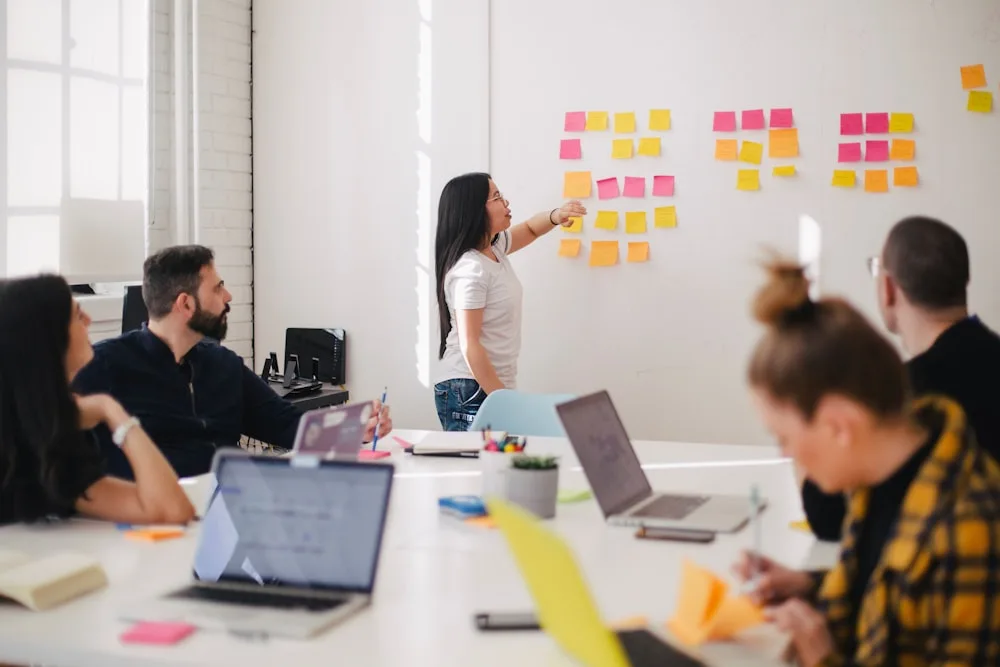
A group in a training workshop gathered around a table
E-learning · Workshops · Tailor-made
2 levelsfrom shared reflexes to job-specific skills

Our training formats

An approach tailored to your people.

VivAccess offers a tailored approach to give your teams a lasting understanding of disability, universal accessibility and the inclusive practices to embed in their roles and missions.

Self-paced

On our VivAcademy e-learning platform: access progressive, tailored content, track training progress and browse the resources and tools made available to learners.

Guided

Through workshops led by our expert consultants and our network of facilitators, or alongside a project in progress, to learn by doing.

Tailor-made

Build with us the pathway best suited to your project and your organizational challenges. Combine approaches, resources and learning formats.

Our e-learning platform

Learn at your own pace.

Tailor-made learning pathways

Progressive content, built around your roles, your missions and your teams' level.

A simple, accessible learning interface

A platform built to digital accessibility standards, usable by everyone.

Streamlined training management

Progress tracking, enrollment management and clear visibility into how your teams are advancing.

An accessibility toolbox

Ready-to-use resources, guides and tools, available to learners over the long term.

  • Events
  • Communication
  • Infrastructure
  • Product development
  • Management

Our approach

Instill the right reflexes, for good.

Learning by doing

We favor active learning, built on concrete examples, hands-on scenarios and ready-to-use resources.

Making the issues easier to grasp

Our pathways make the concepts of disability and universal accessibility easier to understand, absorb and put to work every day.

Sharing and long-term support

Beyond training, we provide tools and resources to anchor the right reflexes and support your teams in their daily work.

Training levels

Two levels, from reflexes to skills.

ReflexesLevel 1 — building a shared foundation of knowledge around disability, universal accessibility and inclusion.
SkillsLevel 2 — turning knowledge into professional reflexes, built in from the design or planning stage of a project.
01

Level 1

Reflexes — a shared foundation.

This first level builds a shared foundation of knowledge around disability, universal accessibility and inclusion. Participants (re)discover the key concepts, the different types of disability situations, the main barriers people face, and the role the environment plays in creating or reducing those situations.

TopicsDisability: essential concepts · Understanding the diversity of disability types · Discovering universal accessibility.
Who is it for?Open to everyone, at any level of knowledge. Prerequisites: none.
Learning objectivesUnderstanding the challenges of disability and universal accessibility · Moving past preconceived ideas · Sharing a common language of inclusion across the organization.
02

Level 2

Skills — professional reflexes.

This second level turns knowledge into professional reflexes. Participants learn to embed and implement accessibility from the design or planning stage of a project. It can be adapted to different roles: front-of-house, communication, events, design, management, human resources, digital, service design or customer relations.

TopicsWelcoming audiences with specific needs · Organizing accessible events · Building accessibility into infrastructure and development projects · Accessible communication · Digital projects.
Who is it for?All roles and missions: leaders and managers, project managers, front-desk teams, and more. Prerequisites: completion of Level 1.
Learning objectivesAdopting an inclusive mindset day to day · Identifying needs and putting relevant adjustments in place · Planning accessibility into projects and services · Communicating in an appropriate way.

Let's build your training pathway.

Tell us about your teams and your challenges: we'll put together the program best suited to your business.